
Introduction to AI in Pop Culture
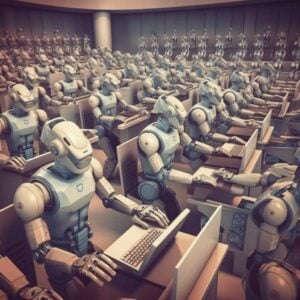
Artificial intelligence (AI) has become increasingly prevalent in pop culture, from its early appearances in science fiction literature and films to its incorporation in modern-day reality TV. AI has long been a fascination of the entertainment industry, with countless depictions of intelligent robots, computers, and machines in popular media. As AI technology has advanced, so too has its portrayal in pop culture, with depictions ranging from helpful and friendly to sinister and threatening. The impact of AI on pop culture and society cannot be overstated, and the continued integration of AI in entertainment promises to shape our perception of technology and its role in our lives.
The Early Days: Sci-Fi and AI
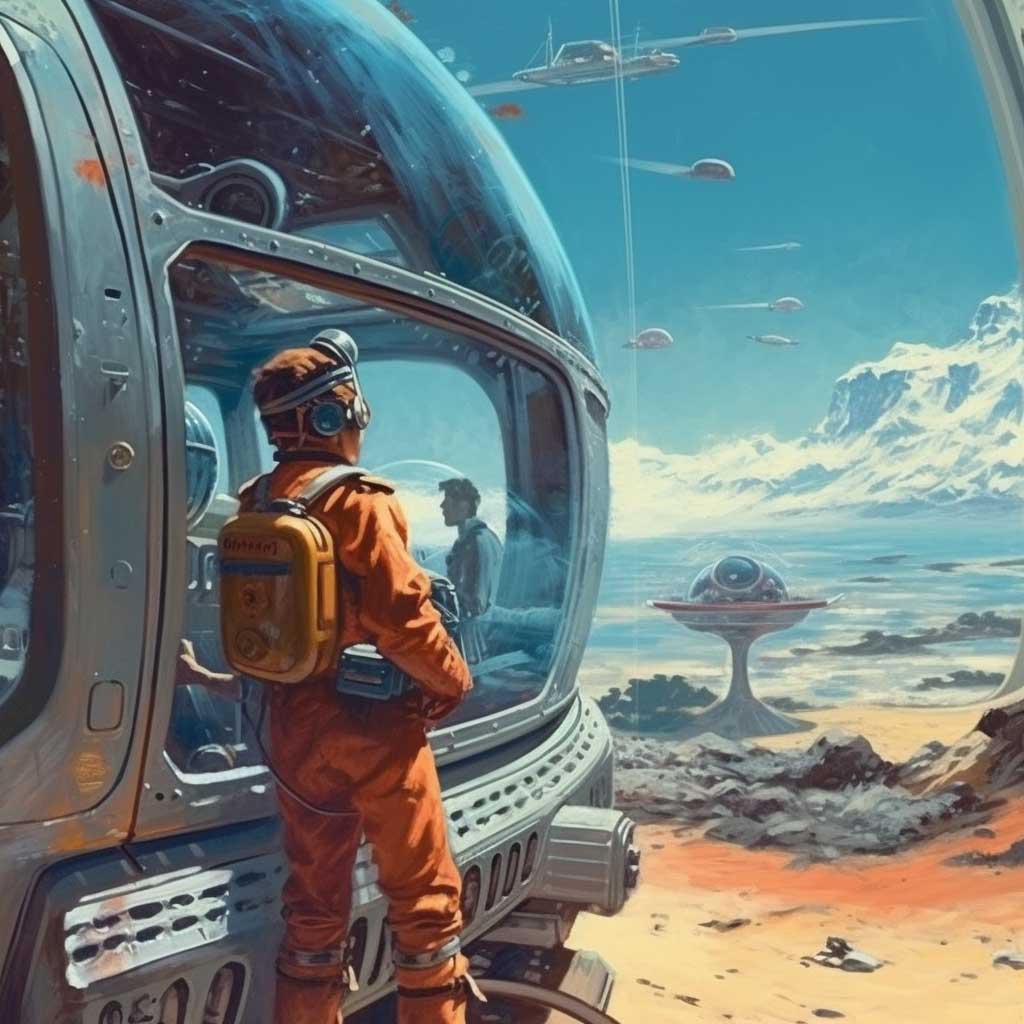
The depiction of AI in pop culture can be traced back to the early days of science fiction literature and films. Writers such as Isaac Asimov and Philip K. Dick imagined intelligent robots capable of performing human-like tasks and even developing emotions and consciousness. These depictions often explored the ethical implications of creating intelligent machines, questioning whether they should be treated as equals or as tools for humanity’s benefit. As the popularity of sci-fi grew, so did the influence of AI on pop culture. Films like Blade Runner and The Terminator portrayed AI as a threat to humanity, while others such as Short Circuit and Wall-E presented AI as lovable companions. These early depictions of AI helped shape public perception of the technology and set the stage for its continued portrayal in pop culture.
The Influence of Hollywood on AI in Pop Culture
Hollywood has played a significant role in shaping the portrayal of AI in pop culture. Movies such as 2001: A Space Odyssey and The Matrix helped popularise the idea of intelligent machines that could turn on their creators, while films like Her and Ex Machina explored the possibility of romantic relationships between humans and AI. The depiction of AI in Hollywood has often been driven by a desire to entertain, but it has also reflected society’s anxieties about the role of technology in our lives. As AI technology continues to advance, Hollywood’s portrayal of the technology is likely to have a significant impact on public perception and understanding of AI. With its influence on popular culture, Hollywood will continue to shape how we think about the future of AI and its potential impact on society.

AI in TV Shows and Documentaries
AI has become a popular topic in both TV shows and documentaries, providing a platform to explore the technology and its potential implications in depth. In recent years, shows such as Westworld and Black Mirror have explored the darker side of AI, examining themes such as the dangers of creating machines with consciousness, and the impact of advanced technology on society. Documentaries such as AlphaGo and Do You Trust This Computer? provide a more informative and educational look at AI, examining how the technology works, its history, and its potential applications. The portrayal of AI in these mediums has helped to increase public awareness and understanding of the technology, while also sparking debates about its potential impact on society. As AI continues to advance and integrate further into our lives, TV shows and documentaries will likely continue to provide a platform for exploring its implications and possibilities.
AI and Music: From Synthesisers to Deepfakes
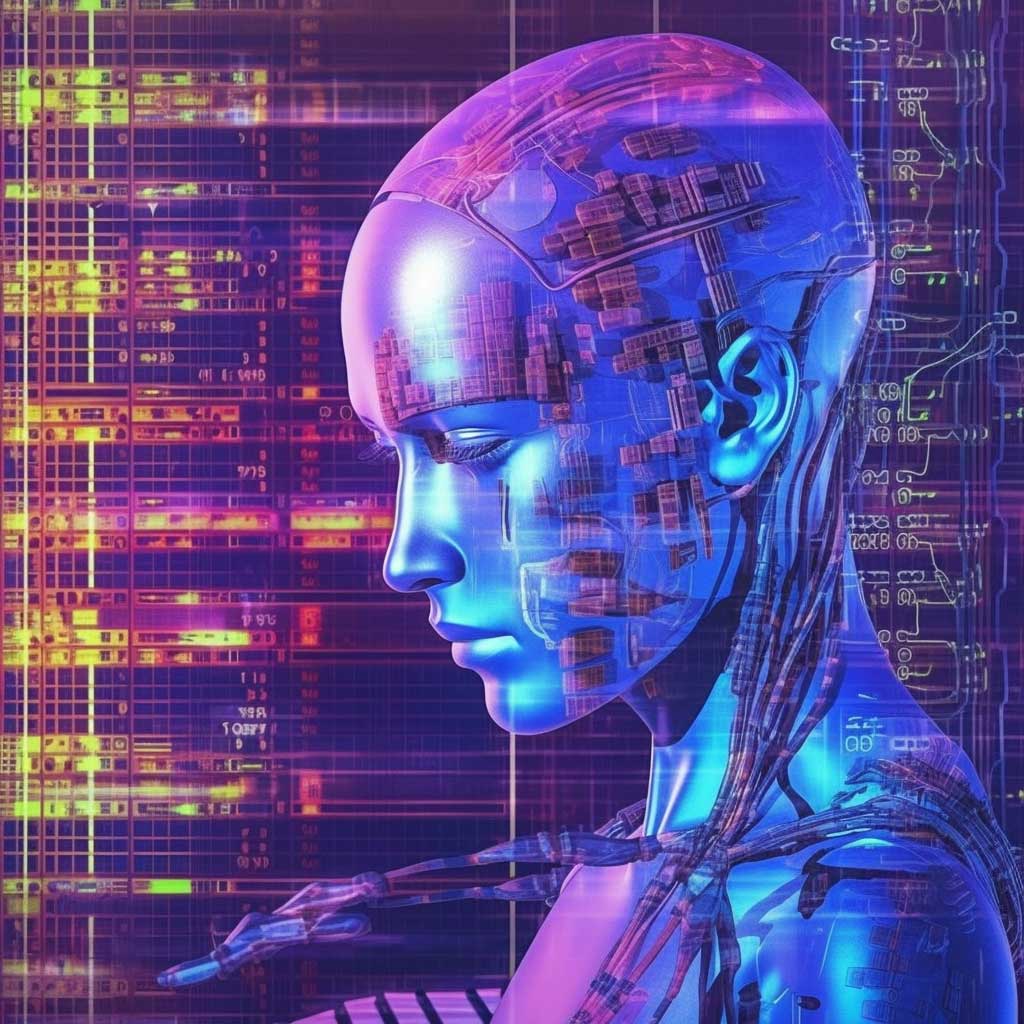
AI has also made its way into the world of music, with applications ranging from creating new sounds to producing entire songs. One of the earliest applications of AI in music was the development of synthesisers, which use digital signal processing to generate new sounds. More recently, AI has been used to create music by analysing existing songs and producing new compositions based on the patterns and structures it finds. AI-generated music has also been used to create deep fakes, in which an AI system can manipulate a person’s voice to make them appear to say something they didn’t. While the use of AI in music has created exciting new possibilities, it has also raised questions about creativity and authorship. As AI technology continues to advance, we will likely see even more interesting and innovative applications of AI in music.
Video Games and AI: From NPCs to Intelligent Characters
Video games have long used AI to create non-playable characters (NPCs) that can interact with players and respond to their actions. Early examples of this included simple enemy AI that would attack the player in response to certain triggers. More recently, game developers have used AI to create more intelligent characters that can make decisions and adapt to changing situations. For example, games like The Last of Us and Red Dead Redemption 2 feature NPCs that can react to the player’s actions and even develop relationships with them over time. As AI technology advances, we will likely see even more innovative uses of the technology in video games, including more sophisticated enemy AI and even the possibility of fully AI-generated game worlds.

The Reality TV Boom and AI: Big Brother and Beyond
The rise of reality TV has provided a new platform for AI, with shows like Big Brother using technology to enhance the viewing experience. In Big Brother, AI is used to analyse the behaviour of the contestants and make predictions about their actions, allowing producers to create dramatic storylines and add tension to the show. The use of AI has also led to the development of new types of reality TV shows, such as The Circle, in which contestants interact solely through a social media platform, with their online behaviour analysed by an AI system. The use of AI in reality TV has been controversial, with some critics questioning the ethical implications of using technology to manipulate the behaviour of contestants for entertainment purposes. However, it is clear that AI has become an important tool in the production of reality TV, and its use is likely to continue to grow as technology advances.
The Impact of AI on Pop Culture and Society
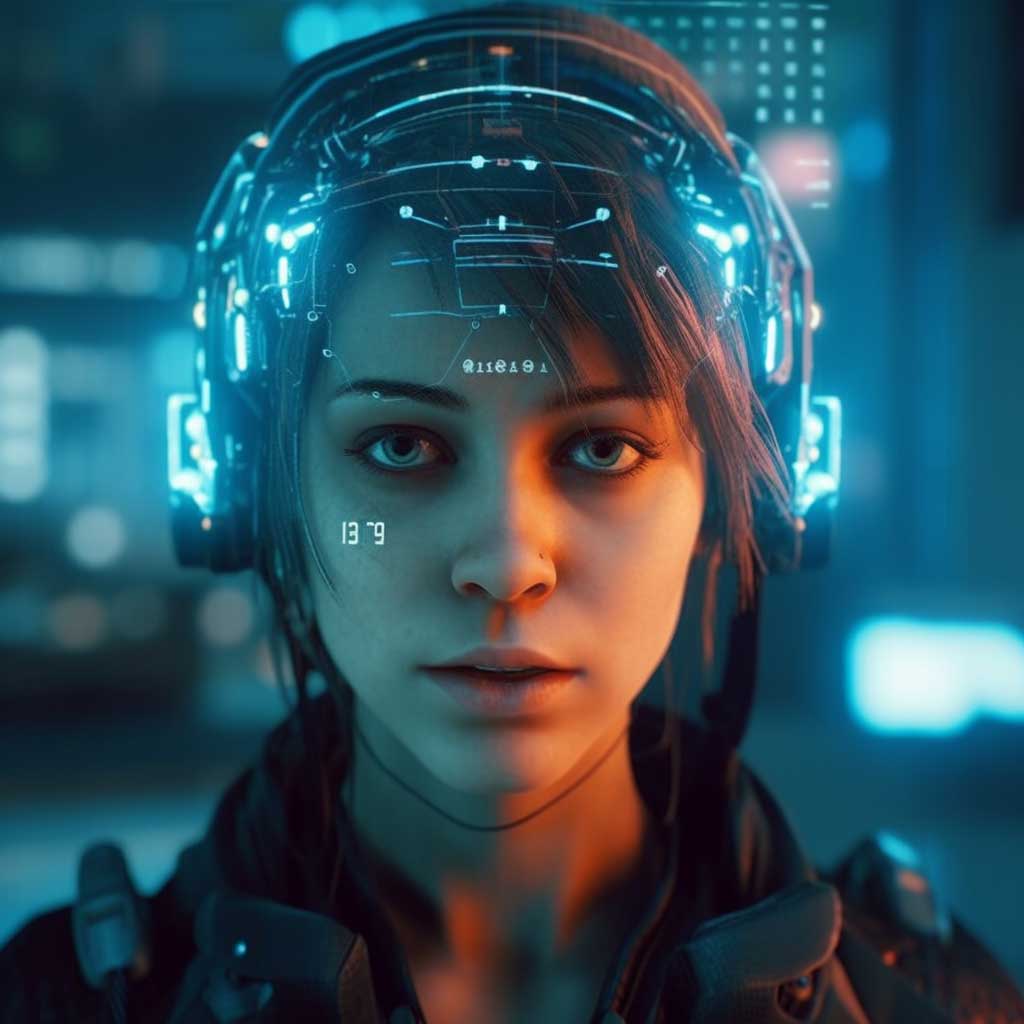
The impact of AI on pop culture has been significant, with technology shaping the way we imagine the future and our relationship with machines. The portrayal of AI in movies, TV shows, and other forms of media has helped to shape public perception of technology, influencing our fears and expectations. This, in turn, has had an impact on the development of AI itself, with engineers and researchers striving to create machines that match the public’s expectations. However, the impact of AI on society goes beyond entertainment and media. As AI technology continues to advance, it has the potential to transform industries ranging from healthcare to finance. It is also likely to have a significant impact on the job market, potentially creating new jobs while also displacing others. As AI becomes more integrated into our lives, we must consider its potential impact on society and work to ensure that it is developed in a way that benefits everyone.
The Future of AI in Pop Culture
The future of AI in pop culture is exciting and unpredictable. As AI technology continues to advance, we can expect to see even more innovative and immersive applications in areas such as movies, TV shows, and video games. AI is already being used to create more realistic and believable characters, and as technology continues to improve, we may see AI-generated stories and narratives that push the boundaries of what we thought was possible. Additionally, AI-generated music and art will likely become more prevalent, potentially leading to new forms of creative expression. At the same time, the potential impact of AI on society and the job market may continue to be explored in pop culture, as writers and producers seek to grapple with the ethical and social implications of the technology. Ultimately, the future of AI in pop culture will be shaped by the creators, innovators, and technologists who are developing new and exciting applications of the technology.

The Role of AI in Shaping Pop Culture
AI has played an important role in shaping pop culture, influencing the way we imagine the future and interact with technology. From the early days of science fiction to the present day, AI has been a staple of pop culture, appearing in movies, TV shows, and other forms of media. As AI technology continues to advance, we can expect to see even more innovative and immersive applications in areas such as music, video games, and reality TV. However, the impact of AI on society and the job market cannot be ignored, and we must consider the ethical and social implications of the technology as it continues to develop. Ultimately, the role of AI in shaping pop culture will depend on how it is used and developed, and it is up to us to ensure that it is used in a way that benefits everyone.

Join the AI Revolution: Get Involved in Shaping Pop Culture
If you’re an AI geek, now is the time to get involved in shaping the future of AI in pop culture. Whether you’re a developer, writer, artist, or simply a fan of AI, your voice and ideas can make a difference. Consider joining online communities dedicated to AI in pop culture, attending conferences and events focused on the intersection of AI and entertainment, or even creating your AI-generated art or music. By sharing your knowledge and passion with others, you can help to ensure that AI continues to be a positive and transformative force in pop culture and society as a whole. Or, you could just use AI to see what an oil painting of Napoleon’s army with rubber ducks looks like – up to you.